

Procrastination is a big problem for writers. The Economist takes a view, based on research and economic theory: New-year irresolution.
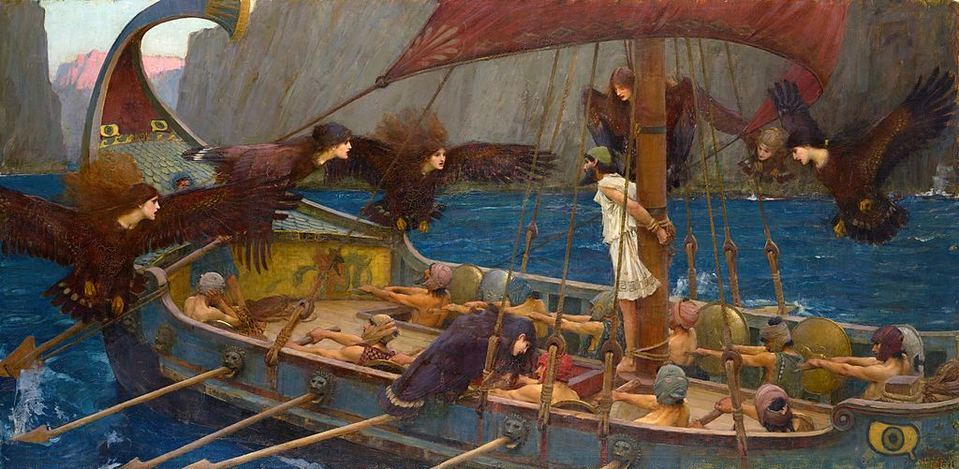
What seems to work is pre-commitment. Homer tells the story of Ulysses. He wanted to hear the sirens’ song but wanted to avoid being lured to his death by it, so he tied himself to the mast of his ship. (The other sailors had wax in their ears.)
But how can we do this in our everyday life?
Defeat procrastination
- Be accountable. The Economist talks about ‘commitment contracts’. RunKeeper, a neat iPhone app and website, gives you a ‘street team’ of buddies to monitor progress.
- Put something at risk. The Economist mentions bank accounts where you lose your savings if you fall off the wagon or restart smoking. This is often why sponsored attempts to run the marathon succeed – your charity loses out if you fail.
- Be mindful. Think about the attitudes that cause you to procrastinate: the feeling of ‘I can do it later’, the lure of easier tasks, a sense that the put-off job is difficult etc. Think about how you can counter these attitudes. Admiral Nelson said “never put off to tomorrow what you can do today.” It’s a helpful reminder and you might find other catchphrases or ways to change your thinking.
- Block access to distractions. Distraction-free editors can help beat procrastination. Working in a different place can be good too. We published a nice list of alternative places to work on Turbine. The biggest gains are likely to come from improving your office’s productivity.
- Monitor progress. I like Joe’s Goals. I’m just experimenting with RescueTime now. It monitors what you do with your PC and gives you lots of metrics and reports on a minute-by-minute basis.
- Learn to concentrate. I wrote a list of 22 ways to stay focused on writing which has some good tips. Increasingly, I find meditation a useful way to improve concentration because it lets my brain relax a bit before I start work.
- Change time. There are good times to write and bad times. When you’re procrastinating, time feels like your enemy. When you’re productive, time is your friend. Change the way you think about it. Change when you work, not how.